Public Finance
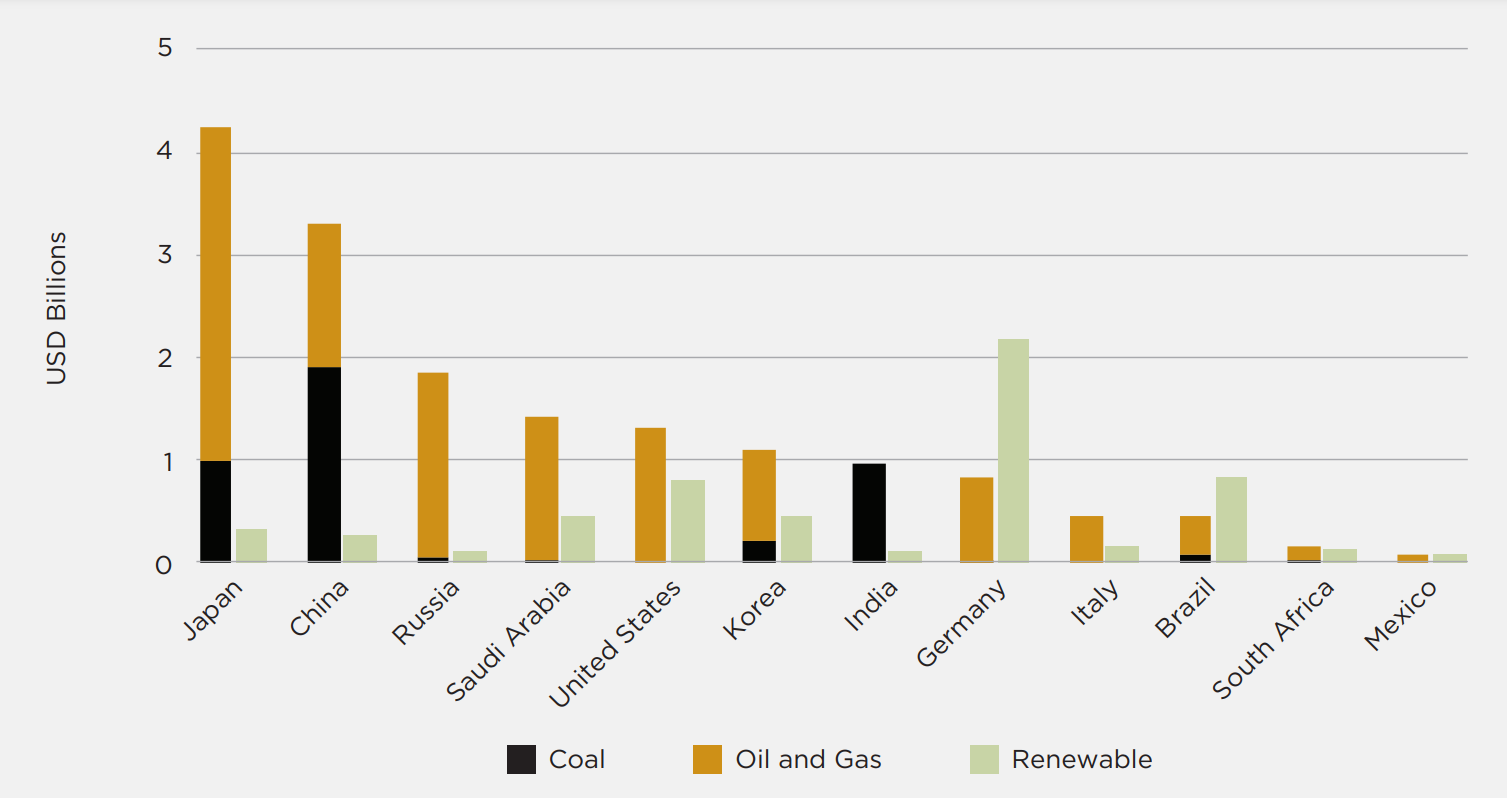
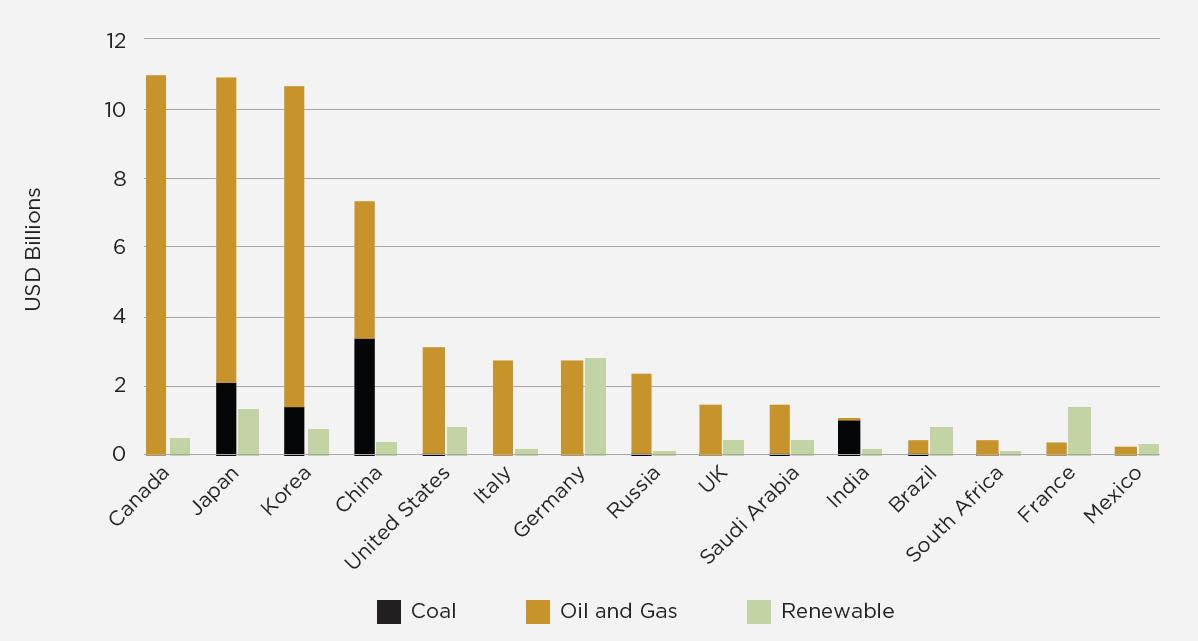
The Japanese government is one of the world’s largest providers of public finance for fossil fuels. Japan provided $10.9 billion on average each year for overseas gas, coal and oil projects from 2018-2020.
All of Japan’s institutions that provide public finance for overseas projects lead the pack in fossil fuel support. Japan is the largest provider of development finance for fossil fuels. Japan’s three ministries providing development finance — Japan International Cooperation Agency, Japan Oil Gas and Metals National Corporation, and the Development Bank of Japan provided at least $4.5 billion for fossil fuels annually from 2018 to 2020.
Japan’s export credit agencies rank 3rd in the world in support for fossil fuels. Japan’s ECAs – Japan Bank for International Co-operation (JBIC) and Nippon Export and Investment Insurance (NEXI) – provided close to $7 billion per year for fossil fuels.



While leading governments like the US and Germany are moving to end support for overseas fossil fuel projects, Japan is instead doubling down and expanding its support.
In April 2021, Japan made a $10 billion commitment to expand LNG markets in Asia. The government also offered $10 billion to ASEAN energy ministers to finance LNG and renewables projects.
Despite growing recognition that there is no room for gas and coal expansion, Japan expanded JOGMEC’s mandate to allow financing of Japanese companies involved with midstream LNG infrastructure. In 2021, JBIC approved a $346 million loan for the dirty Barossa gas development project in Australia and a $850 million loan for the LNG Canada export terminal which is facing intense indigenous resistance.
In June 2021, the Japanese Government revised the Infrastructure Systems Export Strategy 2025 “end(ing) new direct international government support for unabated coal-fired power generation by the end of 2021.” However, Japan’s public financial institutions have no restrictions on support for oil and gas.
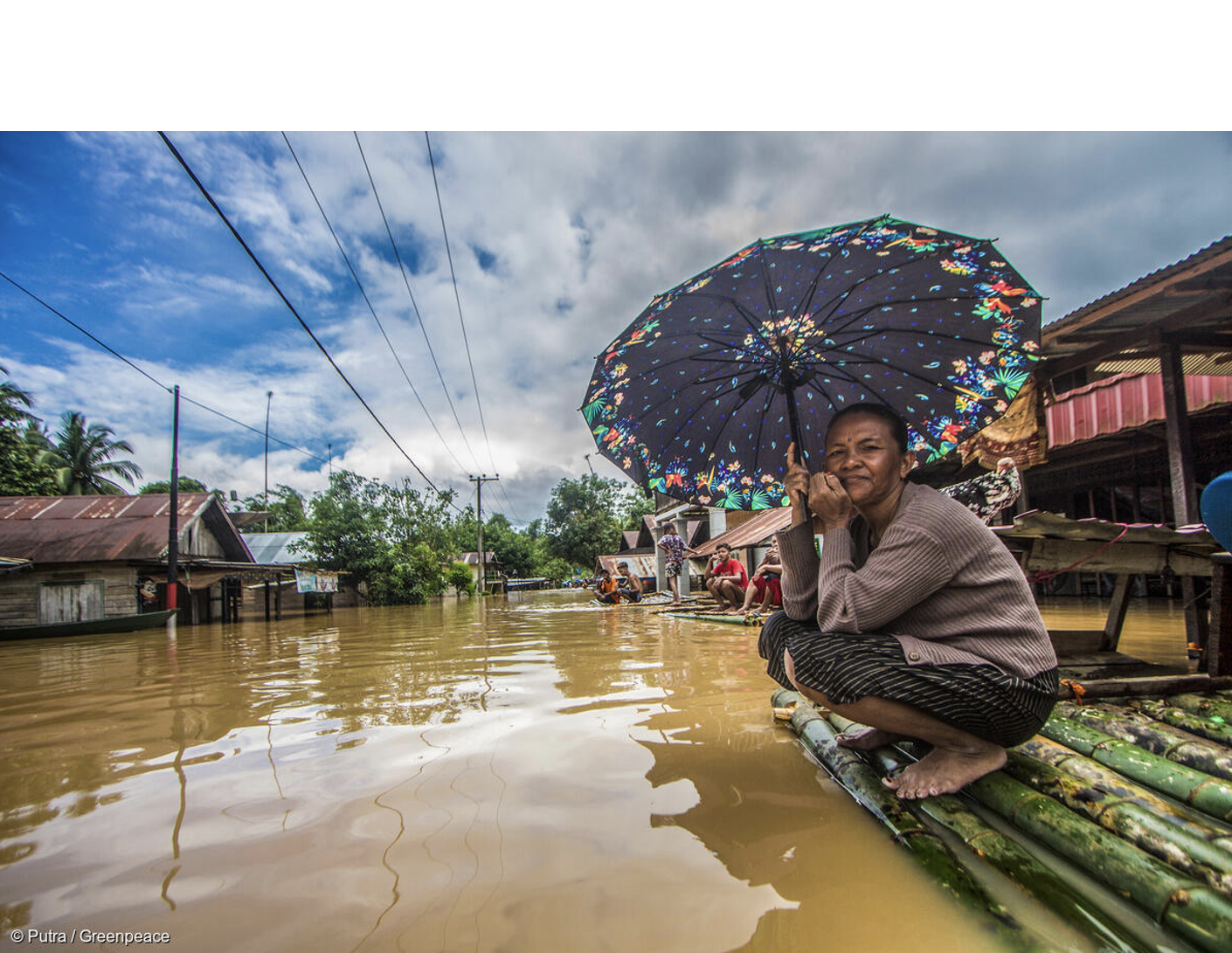
Japan’s support for fossil fuels is undermining our climate goals and putting our planet and communities at risk.